

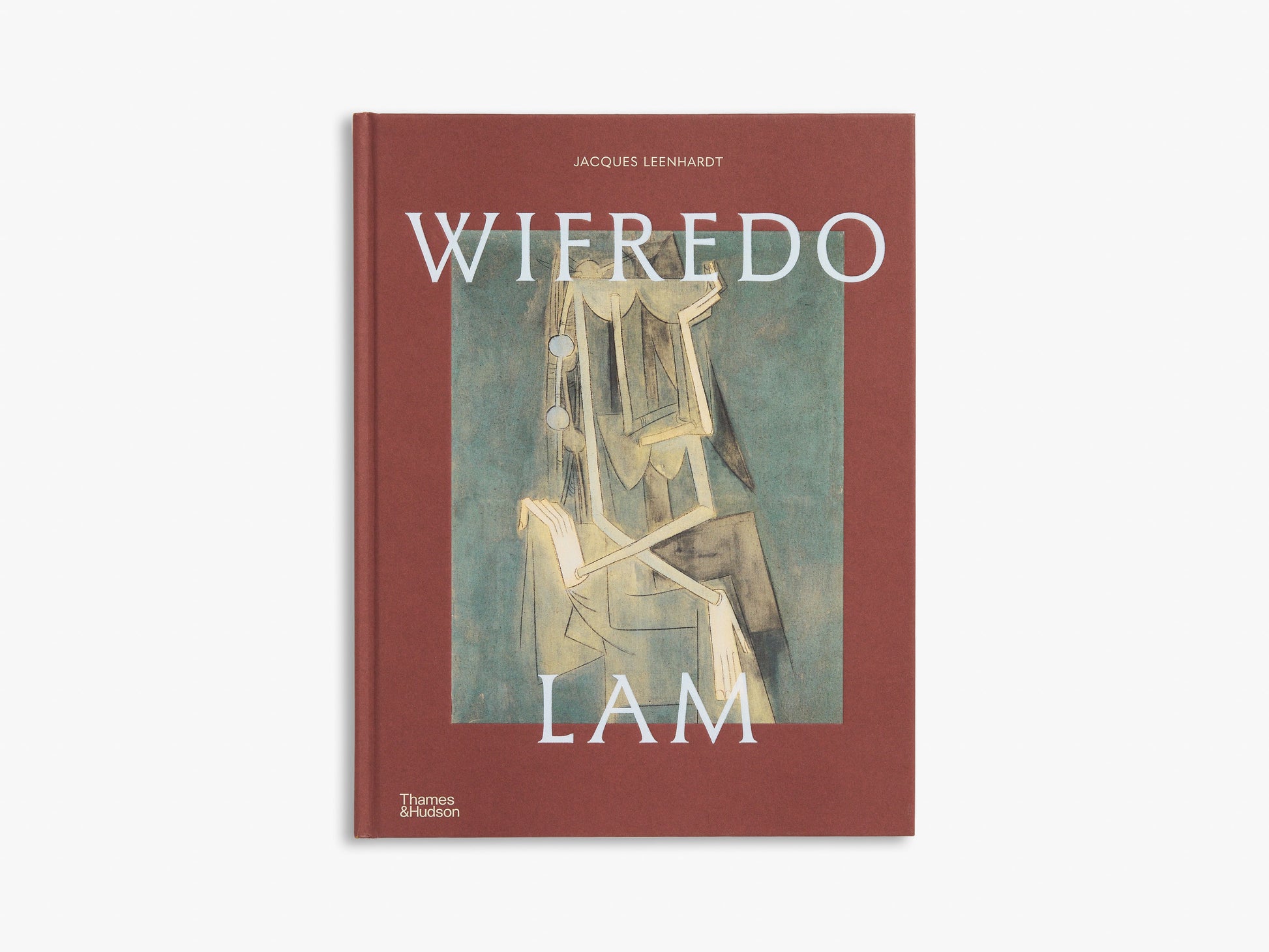
Wifredo Lam
- Regular price
- £55.00
- Sale price
- £55.00
- Regular price
-
Also available from:
Disclosure: If you use the buttons above to buy products, we may earn a commission from the retailers.
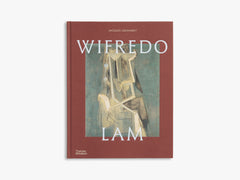
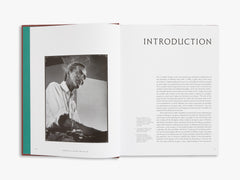
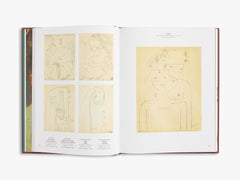
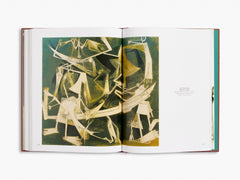
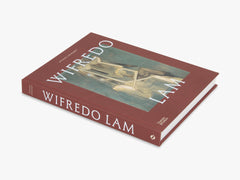
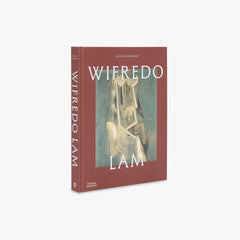
A beautifully illustrated monograph on Wifredo Lam, providing a comprehensive retrospective of the Cuban artist’s life and work.
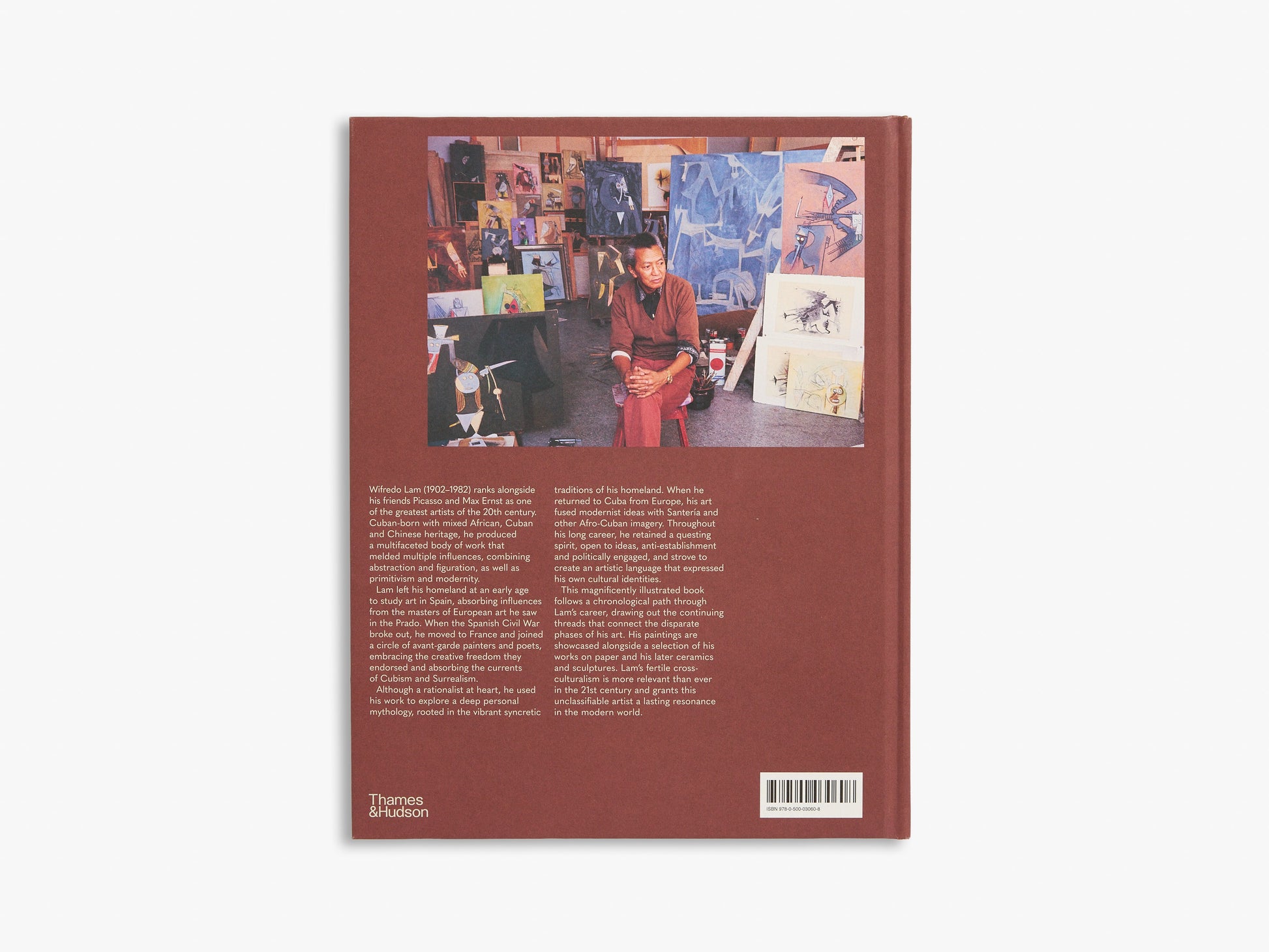
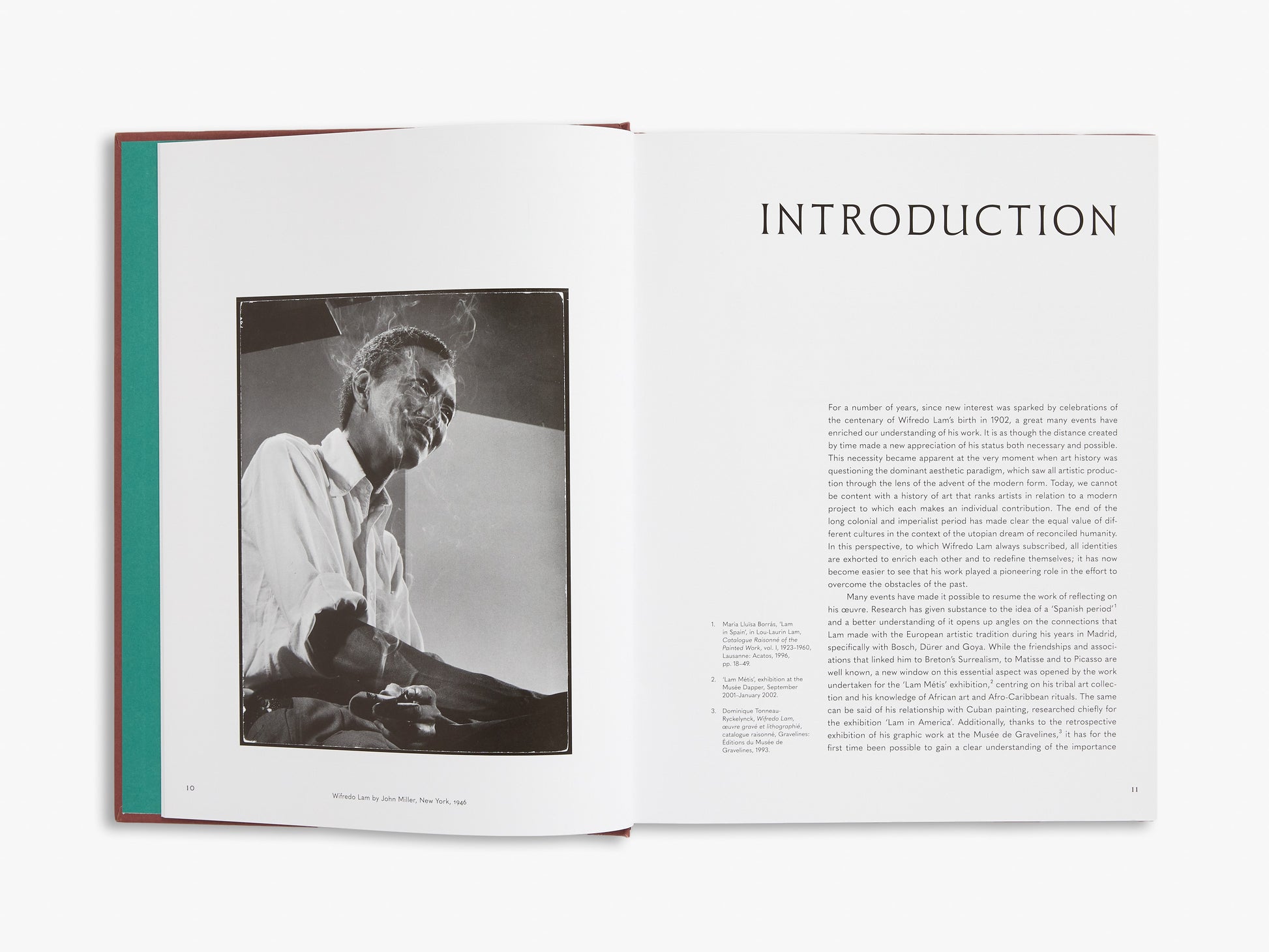
With the 125th anniversary of his birth approaching, recent research and cataloguing have deepened our understanding of Wifredo Lam (1902–1982) and his multifaceted contributions to 20th-century art and politics.
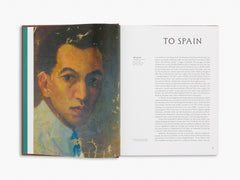
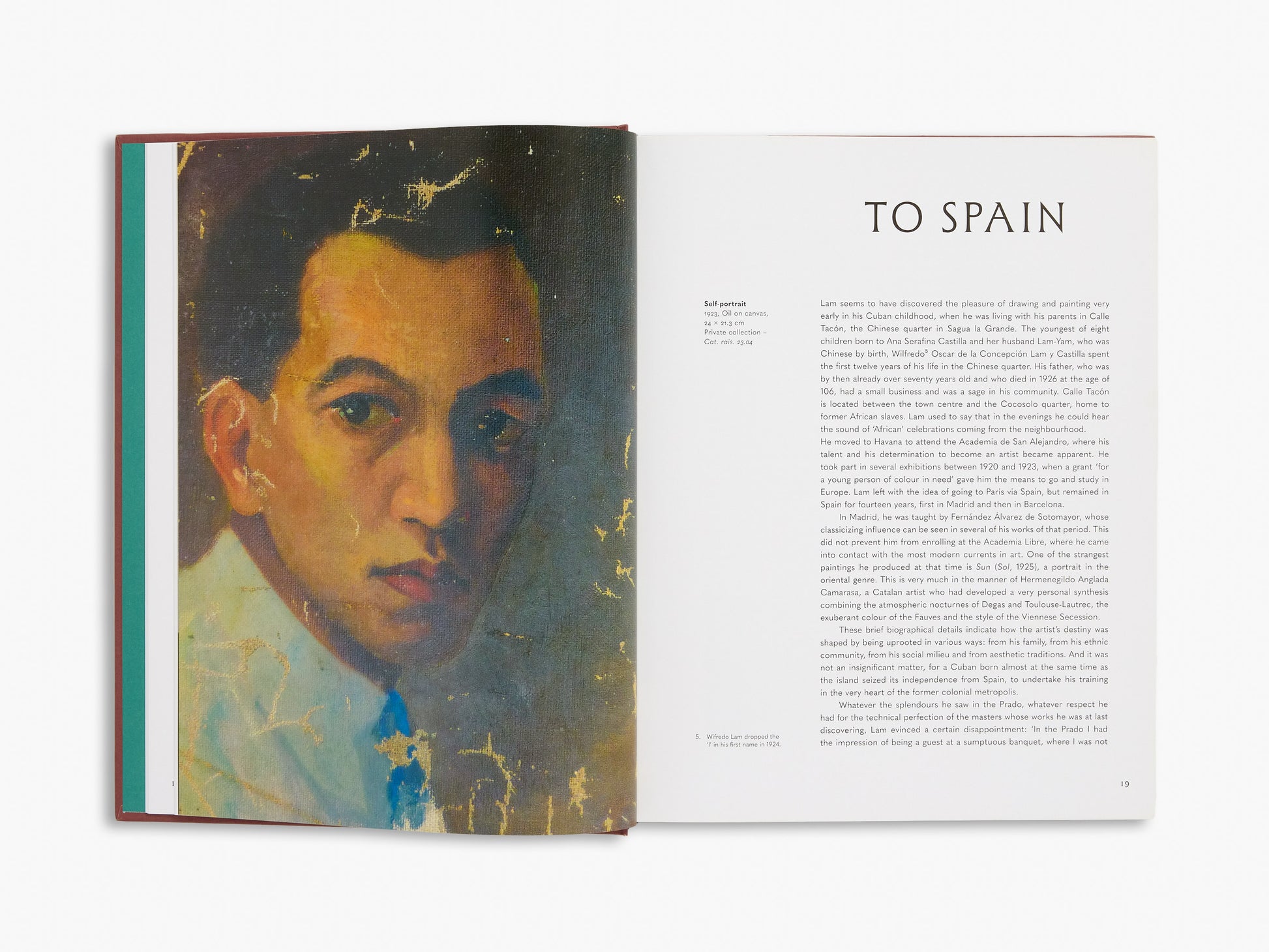
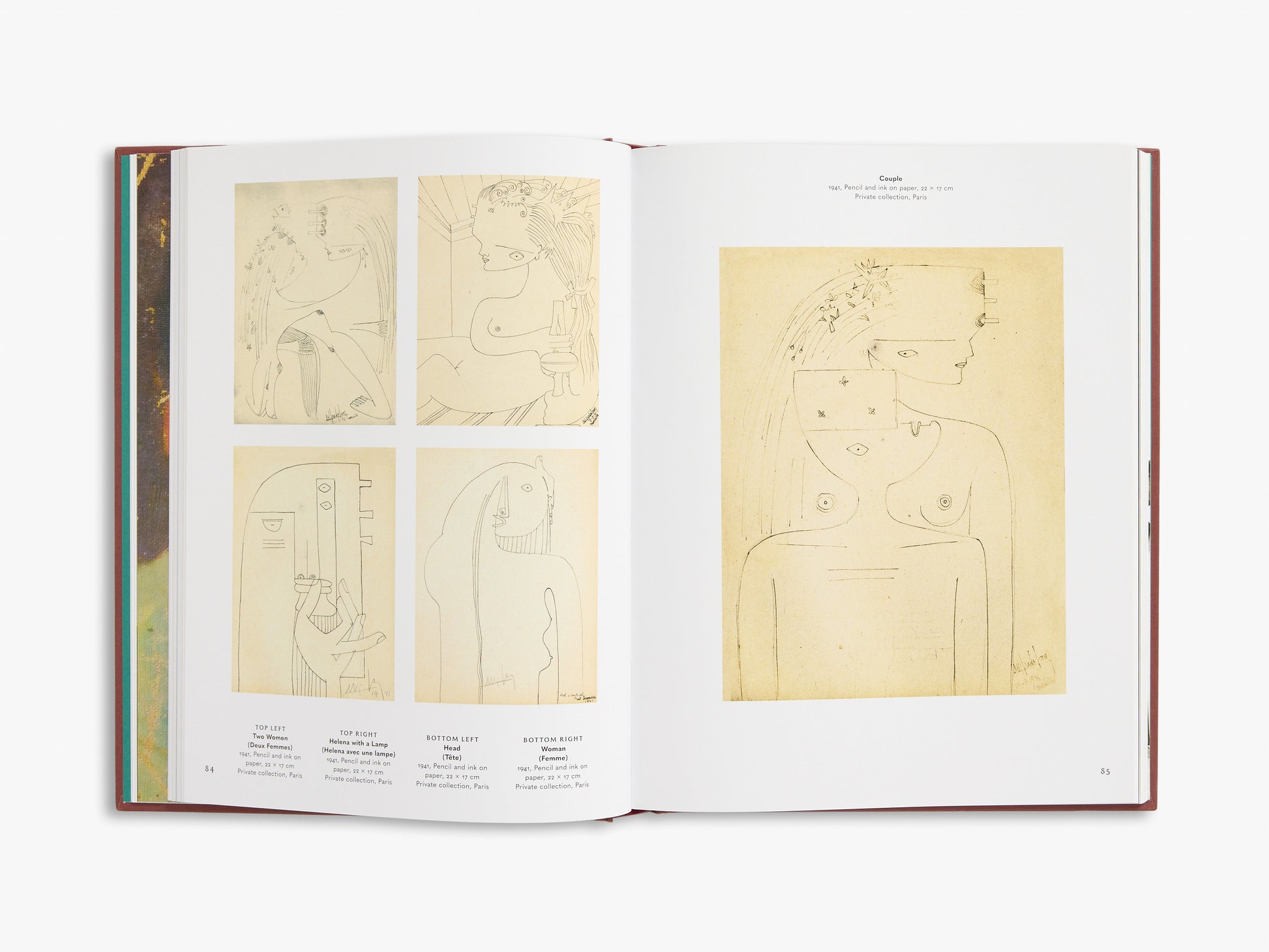
Following a long journey that began in Spain, where Lam studied the great European painters, Bosch, Durer, Velazquez and Goya, this book traces defining moments in his artistic evolution. Encounters with Picasso and Breton in Paris shaped his distinctive style, which existed at the heart of modernity, distinguished also by the influences of surrealism, Matisse and African art.
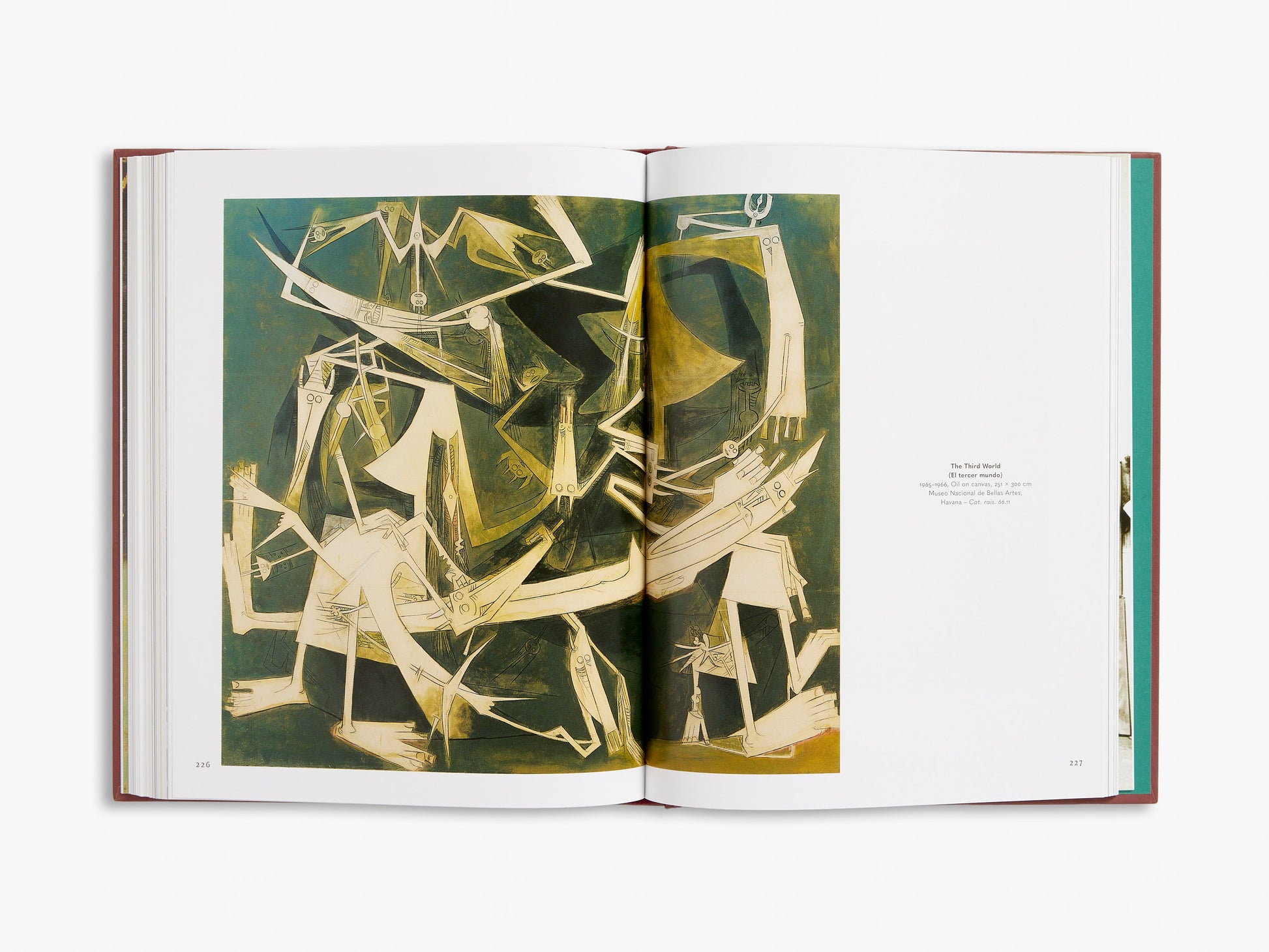
Born in 1902 to a Chinese father and an African mother, Lam's work draws from both European and Afro-Caribbean visual culture in a unique synthesis of his multicultural heritage and formulative studies. Forced to flee Paris in 1940 by the Nazi occupation, Lam took refuge in Marseilles before returning to Cuba, where his visual language evolved into a powerful tool for confronting the social and political injustices of the newly globalized world.
Through thoughtful interpretation of Lam's oeuvre, author Jacques Leenhardt sheds light on the originality of his language, both symbolic and pictorial, and the evolution of visual art in the 20th century.
With the 125th anniversary of his birth approaching, recent research and cataloguing have deepened our understanding of Wifredo Lam (1902–1982) and his multifaceted contributions to 20th-century art and politics.
Following a long journey that began in Spain, where Lam studied the great European painters, Bosch, Durer, Velazquez and Goya, this book traces defining moments in his artistic evolution. Encounters with Picasso and Breton in Paris shaped his distinctive style, which existed at the heart of modernity, distinguished also by the influences of surrealism, Matisse and African art.
Born in 1902 to a Chinese father and an African mother, Lam's work draws from both European and Afro-Caribbean visual culture in a unique synthesis of his multicultural heritage and formulative studies. Forced to flee Paris in 1940 by the Nazi occupation, Lam took refuge in Marseilles before returning to Cuba, where his visual language evolved into a powerful tool for confronting the social and political injustices of the newly globalized world.
Through thoughtful interpretation of Lam's oeuvre, author Jacques Leenhardt sheds light on the originality of his language, both symbolic and pictorial, and the evolution of visual art in the 20th century.
Extent: 320 pp
Format: Hardback
Illustrations: 300
Publication date: 2025-10-30
Size: 31.0 x 24.0 cm
ISBN: 9780500030608
Format: Hardback
Illustrations: 300
Publication date: 2025-10-30
Size: 31.0 x 24.0 cm
ISBN: 9780500030608
- Free UK delivery on orders above £40
- £4.00 standard shipping for orders under £39.99
- Delivery typically within 2-4 business days
- See our Shipping & Delivery policy for more info
About the Author
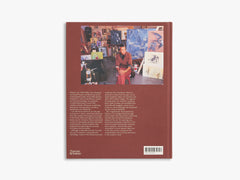
Jacques Leenhardt is Director of Studies at the Ecole des Hautes Etudes en Sciences Sociales (Paris, France); Honorary Chairman of the International Association of Art Critics (AICA); and a founding member of the Archives de la Critique d’Art (GIS, Rennes). A curator, he is also the author of numerous essays on modern and contemporary artists. The Les Amis de Wifredo Lam association, which he has chaired since 1989, has published a catalogue raisonné of Wifredo Lam’s paintings and engravings.