

The Osteology Lesson of Dr Sebastiaen Egbertsz’ (1619), Nicolaes Eliaszoon Pickenoy. © Amsterdam Museum. From ‘Death: A Graveside Companion’.
1. Gothic: An Illustrated History
Crumbling ruins, undead fiends, dark alleys and forests teeming with horrors seen and unseen: the tendrils of the Gothic have crept out of the architecture of churches, mosques and grand houses and into suburban malls, overcrowded cities and the deserted corners of the world. Gothic: An Illustrated History tells the story of all things Gothic, from early architecture and literature to the modern horror genre, illustrated by the beautiful, the macabre and the strange.

2. The Sister Who Ate Her Brothers
The Sister Who Ate Her Brothers, Jen Campbell’s collection of terrifyingly gruesome tales, lends a modern edge to fairy tale collections for young readers. Drawing on her extensive knowledge of fairy tale history, Campbell’s stories undo the censoring, gender stereotyping and twee endings of more modern children’s fairy tales, to return both classic and little-known stories to their grim versions, whilst celebrating a diverse range of characters.

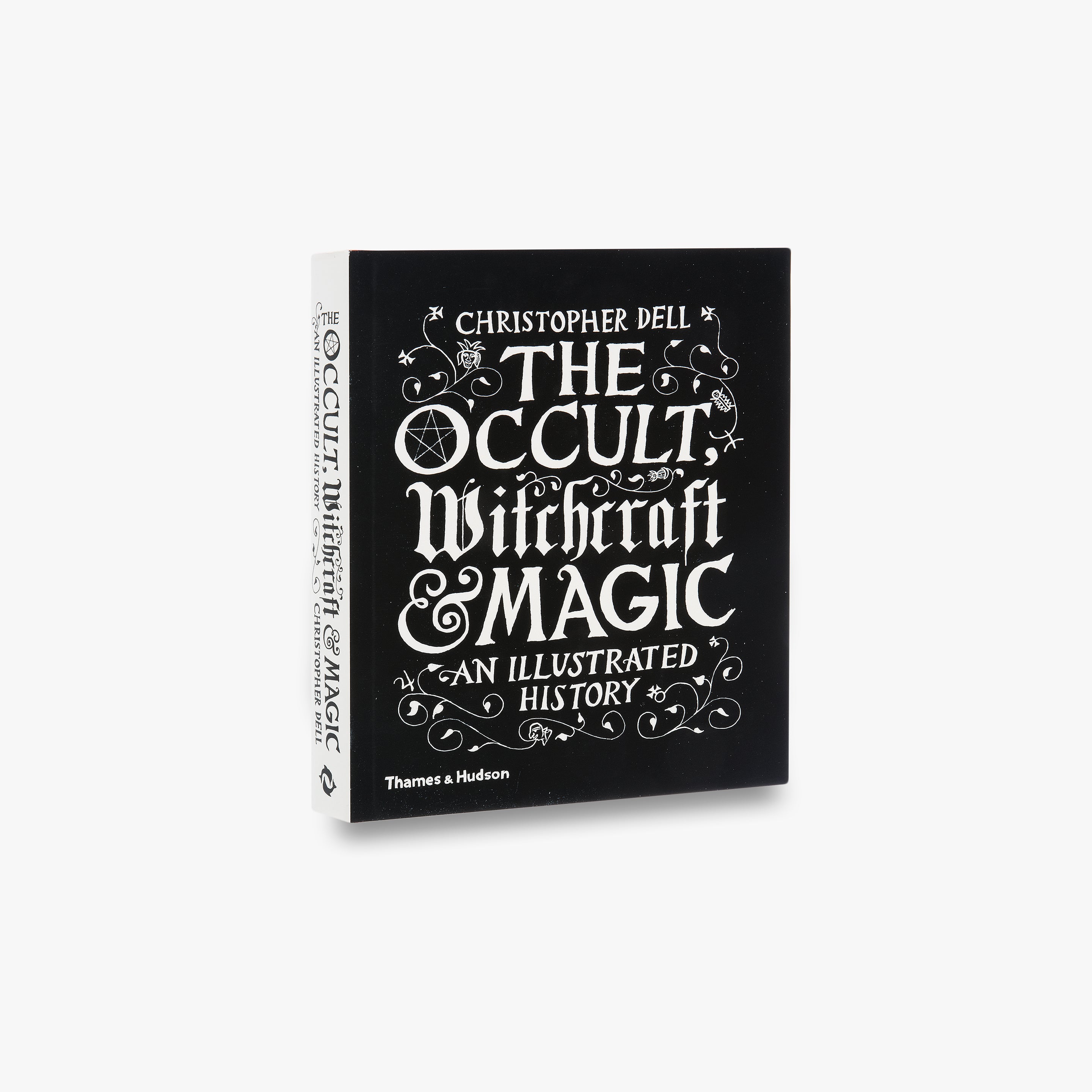
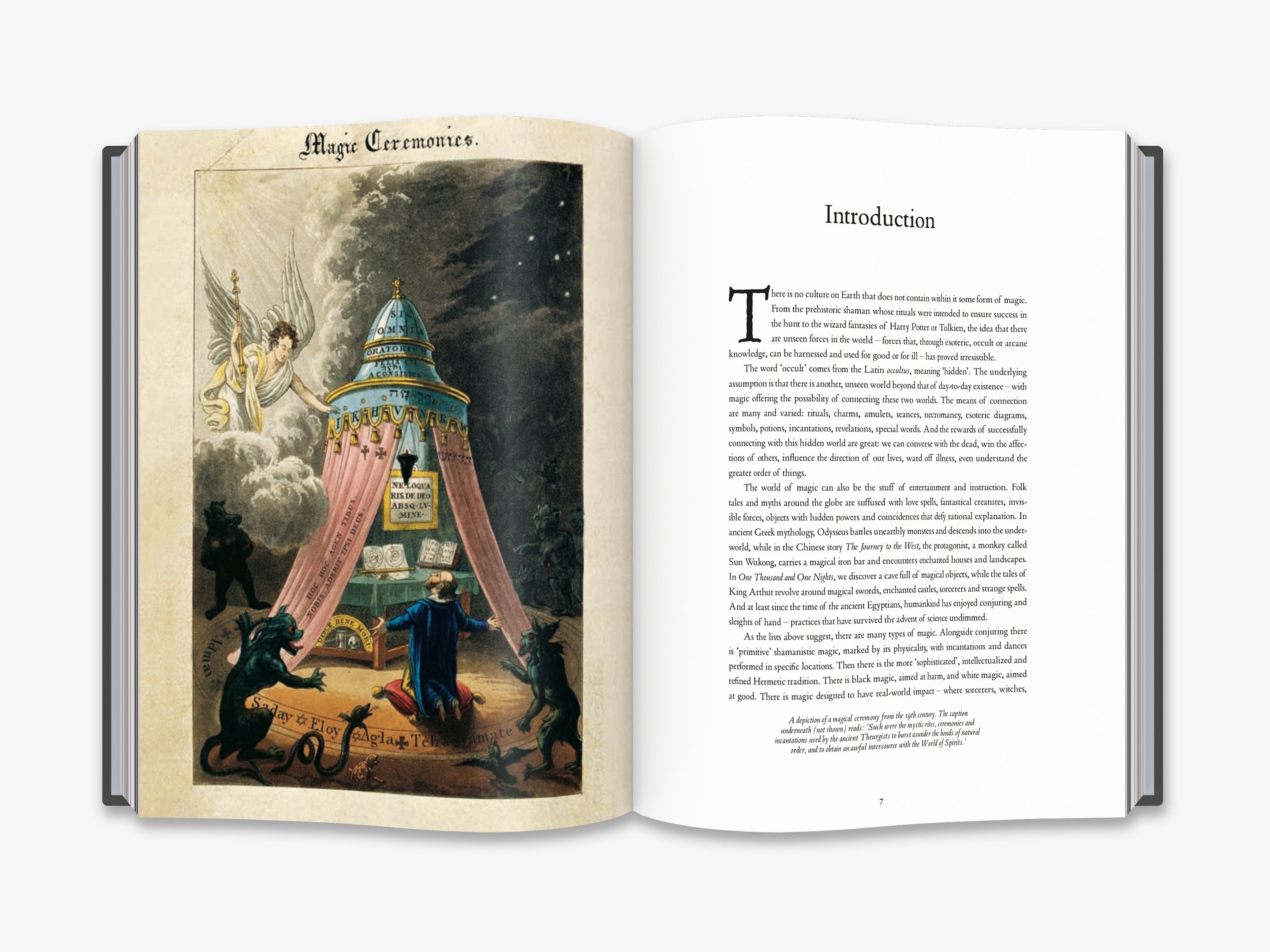
3. Death: A Graveside Companion
Death is an inevitable fact of life. Throughout the centuries, humanity has sought to understand this sobering thought through art and ritual.
Split into 7 themed chapters including The Art of Dying, Memorializing the Dead and The Dead After Life, Death: A Graveside Companion examines a staggering range of cultural attitudes toward death through thought-provoking articles by curators, academics, and journalists.
From catacombs, crypts and bone-pits to reliquaries, embalmings and mummies, Death: A Graveside Companion is packed with morbid inspiration and macabre insights.
4. The Occult, Witchcraft and Magic
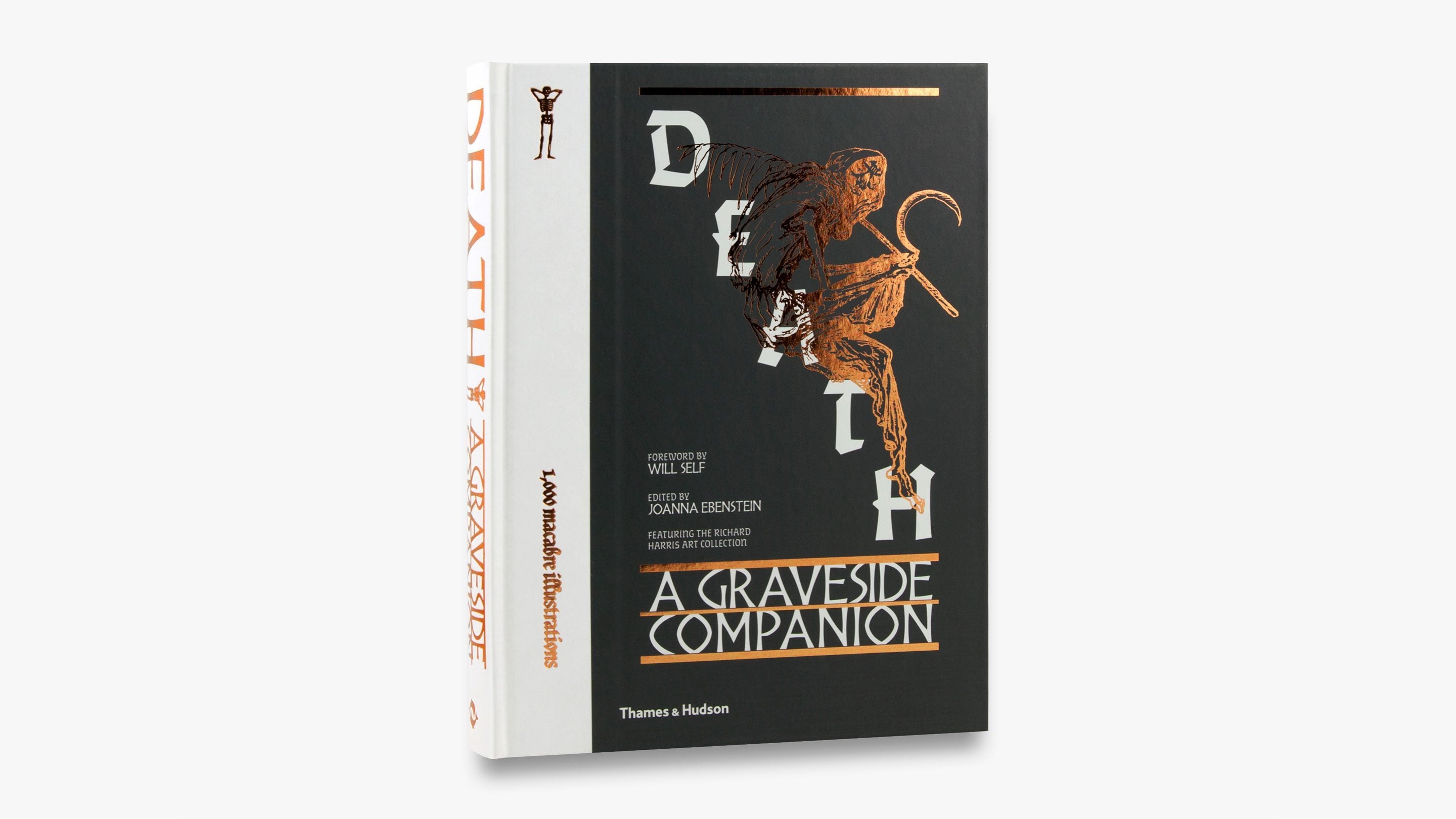
The Occult, Witchcraft and Magic is a lively and fascinating history of all things cryptic, mystic and other-worldly, beginning with the earliest evidence of magical thinking and ending in the bright light of our digital age and its newfound interest in paganism.

5. Symbols of the Occult
Symbols of the Occult examines over 500 symbols from astrology and cosmology; witchcraft and mysticism; satanism and demonology; science and alchemy; and symbols of ancient, religious, and secret societies.